


Collagen


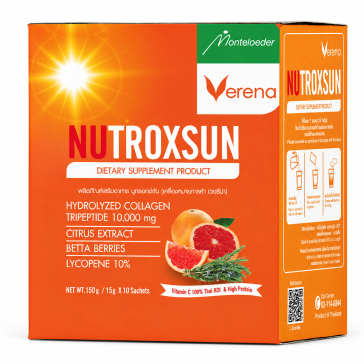


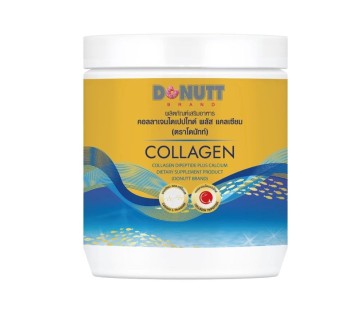


Thai collagen: powder, jelly, capsules, drinks — which to choose for skin and joints
Thailand is one of Asia's main collagen markets: Japanese raw material, local packing, prices below Japanese and Korean brands. Over 50 products: Ime, Amado Colligi, Vida Collagen Gold and Donutt peptide powders; Jele Beautie jelly; Vistra Marine Collagen with Q10 and Khaolaor Colla 500 capsules; Donutt Collagen Peptide drink sachets; Vistra UC-II type II collagen for joints; Blackmores Bio Calcium with collagen; Handy Herb gummies.
How to choose
Skin, hair and nails — hydrolysed marine type I collagen (di-/tripeptides) at 2,500–5,000 mg a day, as powder or jelly; the smaller the peptide, the lower the dose needed. Joints — type II UC-II at 40 mg, or large doses of type I (10 g) with vitamin C. Dislike powders — Vistra capsules or Jele Beautie jelly. Best value — a large tub of powder for 1–3 months. Vitamin C, in the product or separately, is needed for your own collagen synthesis.
Good to know
Collagen is a dietary supplement, not a medicine: it supports but does not erase deep wrinkles or treat osteoarthritis. Effects build up over 6–8 weeks. Marine collagen is fish-derived — not with fish or seafood allergy. With kidney disease — caution (protein load). Jellies and shots contain sugar or sweeteners.
Questions and answers
How much collagen a day?
Skin — 2,500–5,000 mg hydrolysate (tripeptides from 1,000–3,500 mg); joints — 10 g type I or 40 mg UC-II. More than 10 g brings nothing extra.
Dipeptide, tripeptide, peptide — what is the difference?
Fragment size: di- and tripeptides are the smallest, absorbed intact and effective at lower doses.
How is the order shipped?
From our warehouse in Thailand with a tracking number; jellies and glass shots are packed separately.